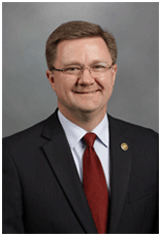
JEFFERSON CITY — Sen. Bob Dixon, R-Springfield, and Sen. Paul LeVota, D-Independence, have introduced legislation for the 2015 session to initiate a comprehensive review of the state tax code and reform how the Department of Revenue administers the tax code.
Under the senators’ taxpayer advocacy act, a Study Commission on State Tax Policy would take up a task last conducted four decades ago—examining Missouri’s tax system to identify it strengths and weaknesses and provide recommendations on how to improve the code.
“An antique, ramshackle tax code doesn’t grow a modern economy and encourage job creation, allowing us to invest in core priorities, like education, transportation or local government,” warned Sen. Dixon. “We must provide greater clarity in our tax law, with a broad array of partners involved in the revision process.”
“This Tax Study Commission is a common-sense approach to tax reform, bringing interested parties together to develop a road map,” stated Sen. LeVota. “It’s also our duty to keep tabs on how the state is collecting and using taxes. Missourians who are trying to do what’s right and work hard have certain expectations about how they’ll be treated by the Department of Revenue. With clear tax policy, statutory protections and open communication, we can better enforce those expectations moving forward.”
In addition to creating the Tax Study Commission, Senate Bill 15 also includes several reforms to address inconsistent administrative practices, including:
- Establishment of an independent Office of Taxpayer Advocate, which will assist and defend taxpayers, to replace the current Office of Taxpayers’ Ombudsman within the Department of Revenue;
- Amending state laws to make clear the right of Missourians to the consistent application of state tax laws, rather than arbitrary or inconsistent action by the Department of Revenue; and
- Elimination of “notification by audit” by allowing new interpretations of tax law, whether department policy or case law, to be enforced only after public notice-and-comment and review by the Legislature through the rulemaking process.
|